For nearly four decades, The O Group has guided clients through every shift the luxury industry has thrown at it. None has been as structurally significant as what’s happening right now.
The data is unambiguous. The luxury customer base has contracted from 400 million buyers in 2022 to roughly 330 million today, a loss of 70 million consumers in three years. And yet total spending is stabilizing, even rebounding. The explanation isn’t complicated: luxury isn’t getting smaller. It’s getting narrower. The top 0.1% of consumers now account for nearly 40% of all luxury value. Brands aren’t losing the market. They’re losing the middle of it.
In our 2024 white paper, The New Luxury Brand Playbook, we argued that the old, homogenized idea of “luxury” was already obsolete — that brands needed to identify their category tier, evolve their values, nurture customer intimacy, and generate value beyond the transaction. Two years on, the data confirms it. This isn’t a new story. It’s the same one, now playing out at scale.
The Aspirational Customer Is Gone. Stop Building For Them
Years of aggressive price elevation pushed luxury’s traditional growth engine, the aspirational buyer trading up for a single iconic piece, out of reach. That customer isn’t coming back at the same volume. What remains is a market increasingly defined by genuine ultra-high-net-worth wealth, concentrated, demanding, and far less tolerant of brands that haven’t earned their place in the room.
We’ve long argued, first laid out in our 2024 Playbook, that “luxury” isn’t one category, it’s three: Standard, High, and Ultra, each with a different audience, a different value driver, and a different relationship to status. That framework matters more now than when we first introduced it. Brands trying to serve all three simultaneously are the ones losing relevance fastest. The winners are choosing a tier and building everything, pricing, access, communication, around it without apology.
Ownership Is Out. Belonging Is In
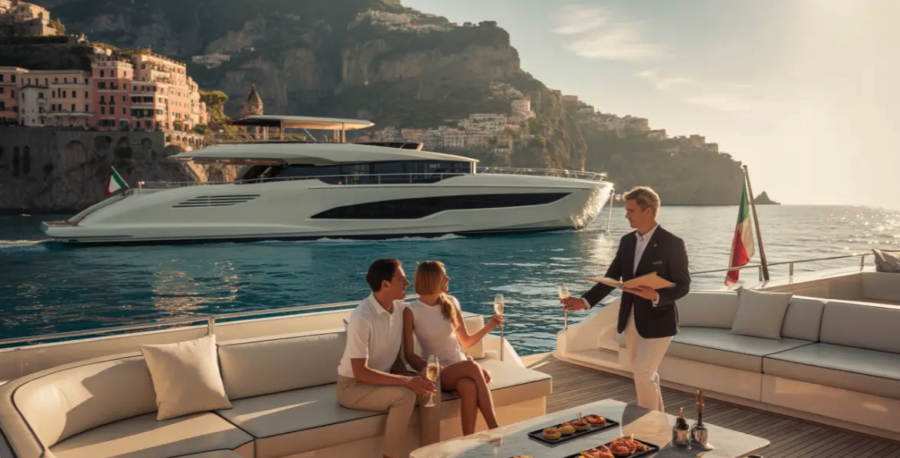
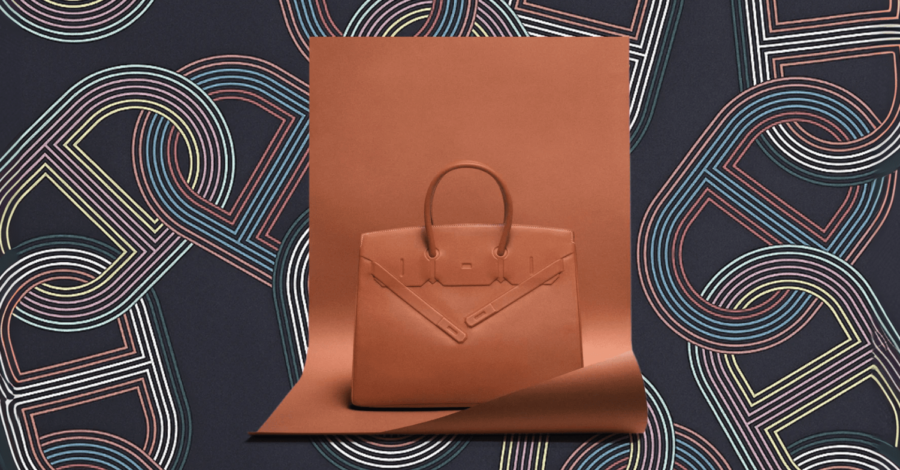
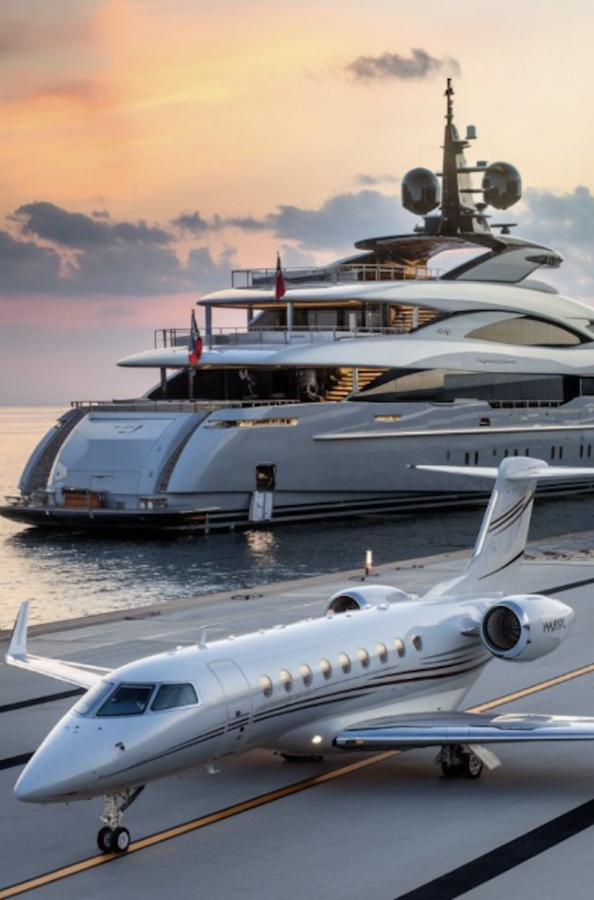
The single biggest shift since our last review of this landscape: luxury consumer sentiment toward experiences is now outpacing tangible goods by 1.5x. Hospitality, private aviation, yachting, fine dining, and exclusive access are absorbing growth that used to flow to leather goods, fashion, and traditional luxury assets. Even automotive, long a default expression of status, is under pressure.
This validates something we’ve built our practice around: customer intimacy is no longer a CRM tactic, it’s the product. The brands pulling ahead aren’t selling objects. They’re selling membership in something, a community, a circle, an identity. This is precisely why we counsel clients to think beyond positioning statements and into the full architecture of belonging: tiered access, invitation-only experiences, and brand worlds people want to be let into, not just sold to.
AI Is Now Table Stakes for Intimacy at Scale
The industry has quietly crossed a threshold. AI-driven clienteling, once experimental, is now standard infrastructure at the brands setting the pace. The technology lets a single client be recognized with the same precision whether they’re in a boutique in Paris or browsing at 2am from a phone. But the brands getting this right understand a distinction we’ve always insisted on: AI should make intimacy more human, not less. The associate who remembers your name is still the gold standard. AI’s job is to make sure that memory never fails, not to replace the relationship with automation.
For brands without legacy infrastructure or decades of clienteling history, this is an opening. The technology gap that once separated boutique brands from heritage houses has narrowed considerably.
Culture and Sponsorship Are Now Brand-Building, Not Marketing Spend
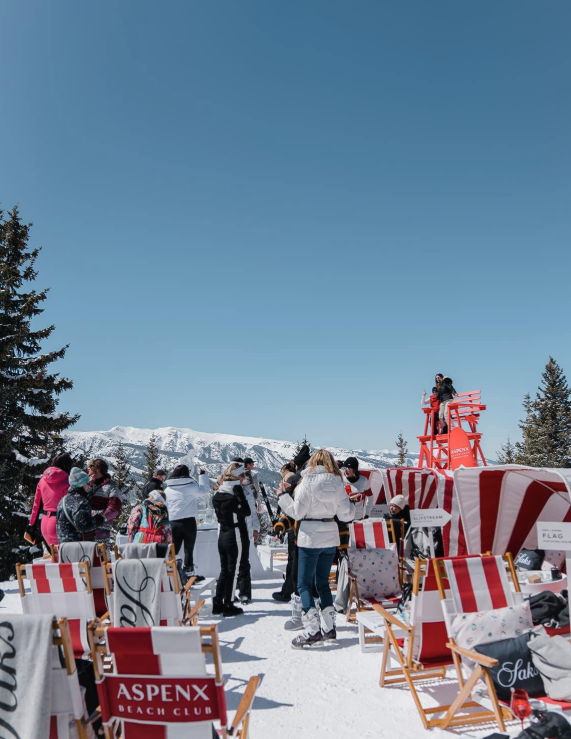
One statistic stands out: more than 80% of luxury market value is now represented by brands that actively sponsored sports in the past year. This isn’t incidental, it’s structural. Formula 1, elite cultural partnerships, and high-visibility sponsorships have become a primary mechanism for building relevance with a younger, harder-to-reach luxury audience that doesn’t respond to traditional advertising the way previous generations did.
We see this as an extension of a principle we’ve held for years: brand equity in luxury is built through cultural participation, not campaign frequency. The brands treating sponsorship as a long-term identity investment — not a one-off activation, are the ones compounding value.
Where This Leaves Luxury Brands in 2026
The brands that will win this cycle share a few traits: they know exactly which tier they serve and refuse to dilute it, they’re building experiences and access rather than just products, they’re using technology to deepen relationships rather than automate around them, and they’re showing up culturally in ways that feel earned rather than purchased.
“This is, in many ways, the same counsel The O Group has given for 40 years, adapted, sharpened, and made more urgent by a market that’s grown less forgiving of brands without a clear point of view. The opportunity hasn’t disappeared. It’s just gotten more selective about who gets to seize it”. – Orit, Founder and CEO.
The O Group is a New York City luxury branding and creative consultancy, founded in 1986. We specialize in foundational brand development for hospitality, fine spirits, jewelry, fashion, automotive, and luxury residential clients.