In June, we laid out the data: luxury’s customer base has narrowed to the top 0.1%, ownership is losing ground to belonging, and the brands pulling ahead are selling membership in something rather than an object off a shelf.
That piece answered what’s changing. This one answers the question we hear most from clients in response to it: if belonging is the growth engine now, what actually builds it?
The honest answer is that belonging isn’t a loyalty tier or a clienteling upgrade layered onto an existing brand. It’s structural, and it starts with a decision most brands still avoid making.
Pick a Tier. Then Stop Apologizing for It
We’ve argued since our 2024 Playbook that luxury was never one category. It’s Standard, High, and Ultra, each with its own audience, its own value driver, and its own relationship to status. The June data confirmed something sharper than we expected: brands trying to serve all three at once are losing relevance the fastest. The ones pulling ahead have chosen a tier and built pricing, access, and communication around it without hedging.
This is the first piece of belonging architecture, and it’s the one most brands skip. You can’t build a coherent world for a customer you haven’t actually chosen.
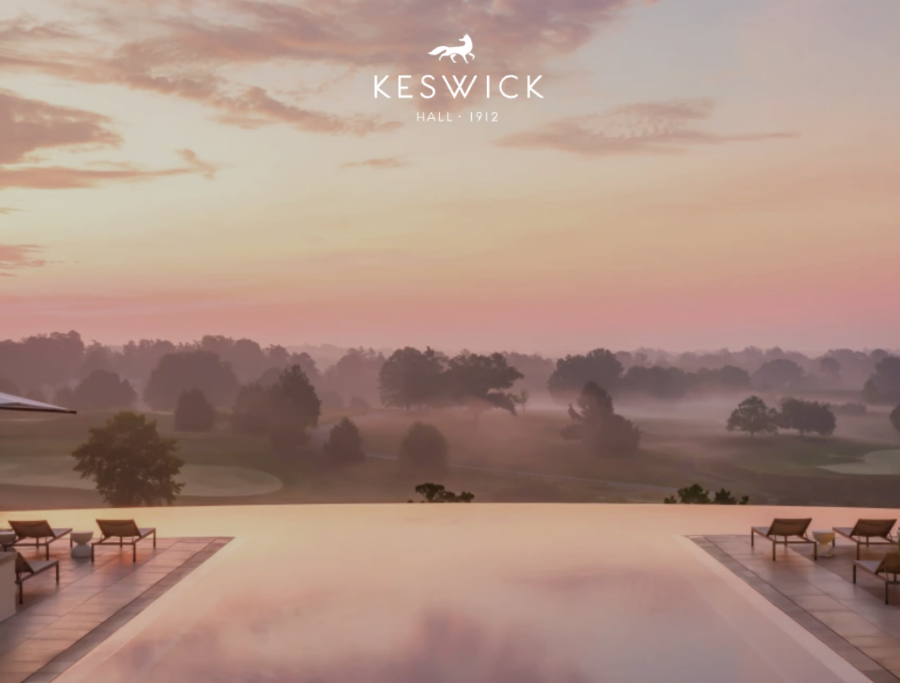
We saw this play out directly with Keswick Hall, in Virginia’s horse and wine country. The brand had genuine equity but hadn’t committed to a tier. Our work repositioned it to compete for the ultra-wealthy global traveler, without apology. The result wasn’t incremental: average room rate up 300% and website conversion up 200% from 2018 to 2025, alongside a Forbes Five-Star designation in 2025. That’s not a rebrand producing a nicer logo. That’s what happens when a tier decision gets made and everything else follows it.
Intimacy Is the Product, Not the Follow-Up
Once the tier is chosen, the real work starts. We’ve long counseled clients that customer intimacy isn’t a CRM function bolted onto the brand experience. It is the brand experience. The brands earning belonging right now aren’t the ones with the best retention emails. They’re the ones where the customer feels specifically known, remembered, and anticipated, every time, regardless of channel.
That’s a harder thing to build than a positioning statement, and it’s why AI clienteling has quietly become table stakes rather than a differentiator. The technology’s job isn’t to replace the relationship. It’s to make sure the relationship never forgets. The associate who remembers your name by heart is still the standard. AI exists to make sure that standard holds at scale, not to substitute for it.
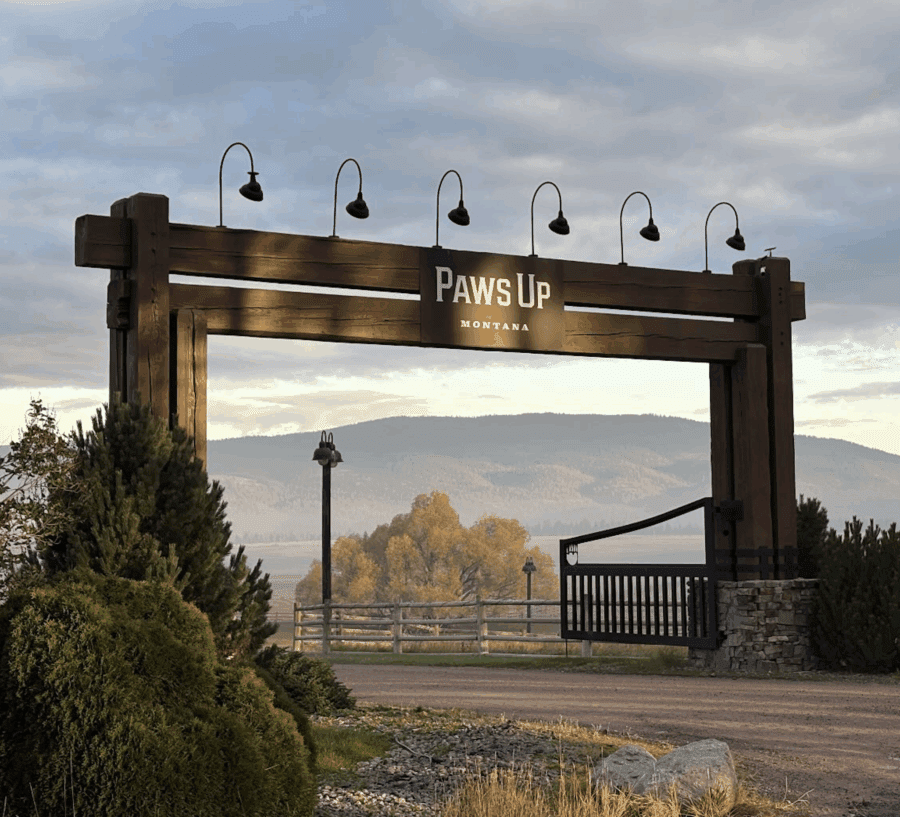
Paws Up, Montana is a useful proof point here, not because the brand relies on automation, but because of what happened once the brand foundation was strong enough to build on. In its first 11.5 months live, an AI concierge layered onto the brand system handled nearly 50,000 conversations, captured over 800 qualified leads, and held a 97% positive or neutral sentiment rate. The technology didn’t create that outcome. It scaled a brand experience specific and coherent enough to be worth automating in the first place.
Access Has to Be Earned, Not Just Priced
The aspirational buyer who used to trade up for a single iconic piece isn’t coming back at the volume brands built their old models around. What’s left is a smaller, more demanding customer with far less patience for brands that haven’t earned their place in the room.
That changes what access needs to mean. Pure price-gating, a higher number on the tag, no longer reads as exclusivity to a customer this sophisticated. What reads as exclusivity now is access that required something beyond a credit card: an invitation, a relationship, a level of engagement with the brand over time. The brands doing this well are building tiered entry points deliberately, ways for a customer to move from interested to known to trusted, rather than assuming spend alone confers status.
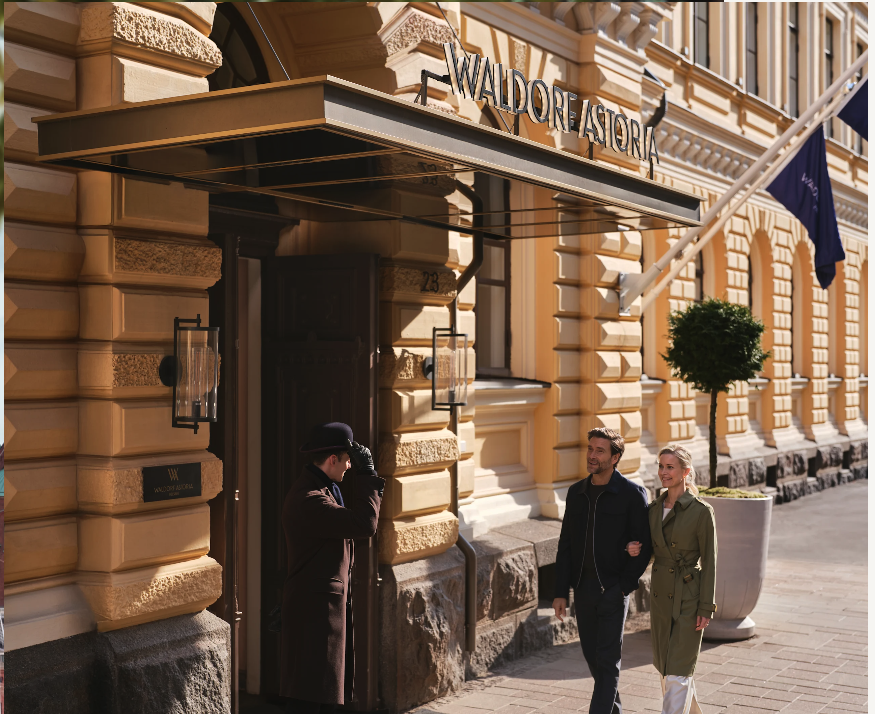
The Hotel Maria, in Helsinki, is the clearest example of what this kind of disciplined positioning is actually worth. Built from the ground up as an “Urban Oasis,” a destination inside a destination, the property was acquired by Waldorf Astoria in 2025, just one year after opening. That was the ownership’s goal from day one, and a differentiated, earned 5-star position in a market with no real precedent for it was central to getting there. That’s belonging architecture converting directly into enterprise value, not just guest sentiment.
Cultural Participation Has to Be Earned Too
The same logic applies to how brands show up culturally. Paws Up built its authority in Montana not through a single campaign, but through sustained, authentic participation in Western culture: working ranch operations, real seasonal rhythms, ties to the land itself. The distinction matters: a single high-visibility partnership reads as a media buy. A sustained cultural presence reads as identity. Customers, especially younger ones who don’t respond to traditional advertising, can tell the difference immediately.
What Belonging Architecture Actually Looks Like
Put together, the brands winning this cycle share a structure, not just a sentiment:
– A clearly chosen tier, with no attempt to serve all three
– Customer intimacy built as core infrastructure, not a retention tactic
– Access points that require engagement, not just spend
– Cultural presence treated as a long-term identity investment
None of this is achievable through a single campaign or a repositioning exercise. It’s built the way any durable structure is built: deliberately, in the right order, over time. It’s also not theoretical for us. It’s the same process behind Keswick’s rate growth, Maria’s acquisition, and Paws Up’s guest engagement numbers.
“The results speak for themselves: a 300% rate increase, an acquisition by a global luxury operator, guest engagement numbers most brands only dream of. None of that came from a clever campaign. It came from building the architecture underneath the brand first, which is the only way we know how to work, and the reason clients come back to us for it.” – Orit, Founder and CEO.
The O Group is a New York City luxury branding and creative consultancy, founded in 1986. We specialize in foundational brand development for hospitality, fine spirits, jewelry, fashion, automotive, and luxury residential clients.