Luxury isn’t one industry. It’s four, at least from where we sit: hospitality, home and lifestyle, jewelry and fashion, and fine spirits, food and wine. Each has its own consumer, its own sales cycle, its own definition of desirability, and in 2026 each is telling a genuinely different story. But the brands winning inside every one of those categories, whether the category itself is having a strong year or a soft one, aren’t the ones with the most heritage or the biggest ad budget. They’re the ones who made a real decision about who they’re for and built a brand strong enough to carry that decision through every touchpoint.
A Market That No Longer Rewards Just Showing Up
Global luxury spending is stabilizing after a turbulent stretch, but the recovery is uneven. Bain-Altagamma’s June 2026 study projects 0% to 2% growth for the year. Hospitality and other luxury experiences are leading. Jewelry is holding strong. Fashion is mixed, and fine wines and spirits are soft. Bain also finds that the meaning of luxury is shifting from social validation toward personal meaning, which makes a clear point of view more valuable, not less.
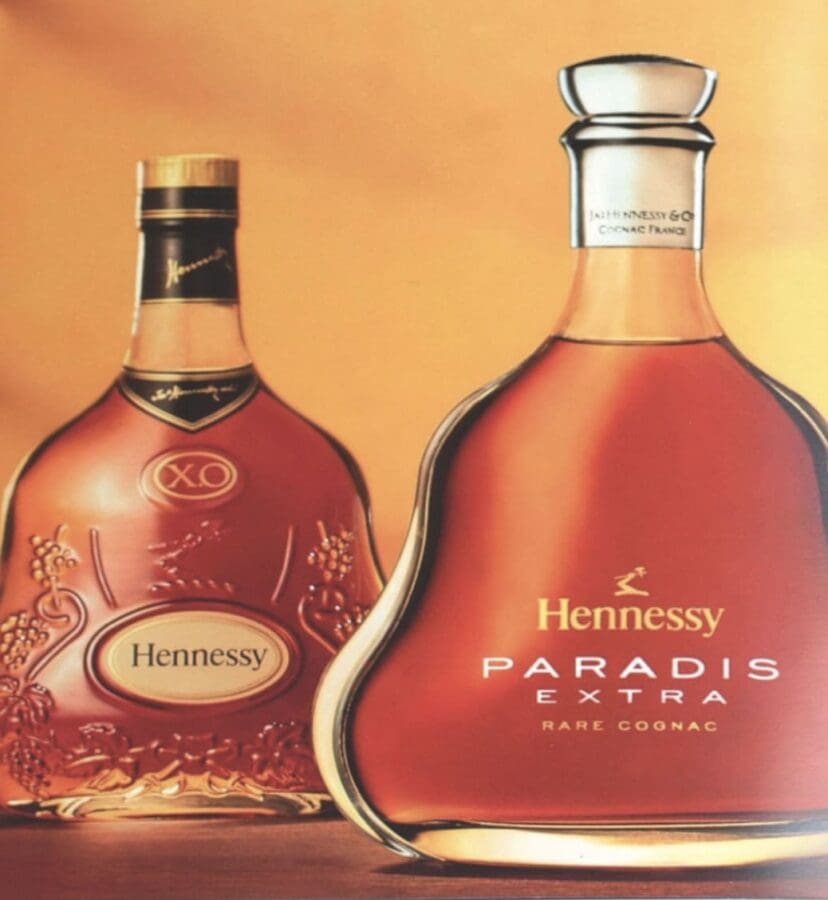
Category tailwinds used to be enough to carry a luxury brand. They aren’t anymore. A strong category can no longer paper over a weak brand, and a soft category is no excuse for one either. Jewelry shows what a strong point of view can do inside a strong category. Richemont’s four jewelry maisons, including Cartier and Van Cleef & Arpels, grew 14% at constant exchange rates to €16.5 billion in the fiscal year ended March 2026, then accelerated to 24% in the quarter that followed. Chairman Johann Rupert credited “a clear and distinctive identity, supported by consistent execution over time.” Hospitality brands like Aman, in our view, make the same case: a distinct point of view matters no matter what the category is doing. And in a softer category, one we know well from eight years as Hennessy’s agency of record, LVMH’s wines and spirits division, Moët Hennessy, returned to 5% organic growth in the first half of 2026 after a prolonged slowdown. LVMH pointed to prestige champagne, Hennessy’s momentum in China, and the U.S. launch of Hennessy ready-to-serve cocktails.
Why This Is a Branding Problem, Not a Product Problem
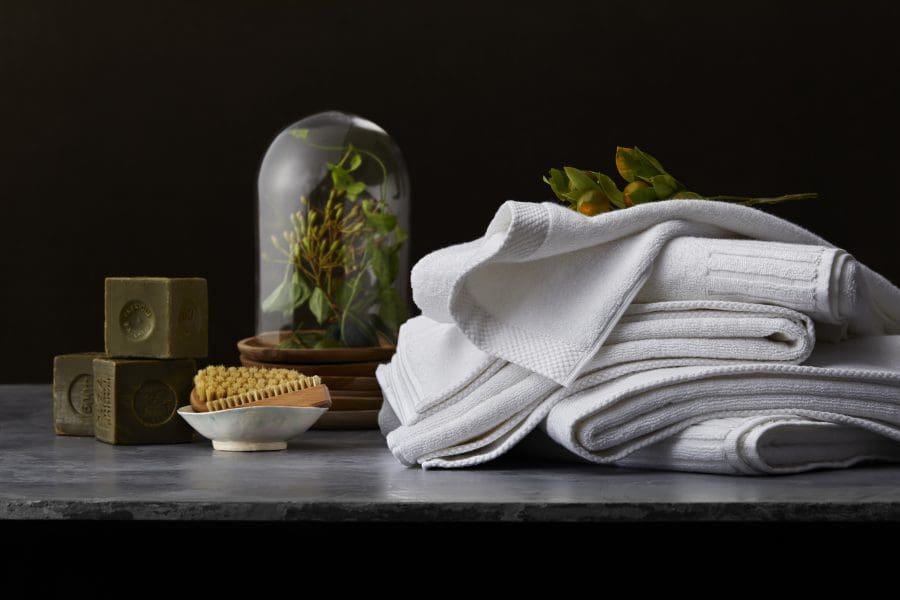
We see the same pattern across every category we work in. A hospitality brand with a beautiful property and no clear position gets treated like a commodity room. That’s why we repositioned and launched a campaign for the Ritz-Carlton Residences, Miami Beach: the property was never the issue; the position was. A home goods brand with genuine craftsmanship gets shopped on price if nothing sets it apart. For Artistic Tile, we rebranded and repositioned the company. For Mascioni Italian Linens, we reimagined the brand verbally and visually, then carried it through a new website and campaign. A jewelry house with real heritage gets lost in a sea of look-alike product if the story behind it never gets told. For Reinhold Jewelers, we rebranded and repositioned the business, then delivered a robust e-commerce website and a newly designed retail space. The product is rarely the problem; the absence of a clear, ownable position is. That’s true when a category is thriving and true when it’s under pressure, and in a market as uneven as this one, it matters more in both directions than it used to.
What Working With the Right Agency Actually Changes
This is exactly where an experienced luxury branding partner earns its place. Not to make things look prettier, but to do the harder work first: defining precisely who a brand is for, what tier it’s actually competing in, and what story justifies the price before a single piece of creative gets made. That discipline is what turns a good product into a brand people choose on purpose. It’s the difference between a brand that rides its category’s momentum and one that builds momentum of its own, regardless of what the category is doing. We’ve spent nearly 40 years doing that work across hospitality, home and lifestyle, jewelry and fashion, and fine spirits, food and wine, and a market this divided makes it more urgent, not less.
“We’re not seeing four categories in decline or four categories in growth. We’re seeing four categories that are done rewarding brands for simply existing. The ones pulling ahead made a real decision about who they’re for and built the experience around it. That’s the work we do in every category we touch, and it’s more necessary now than at any point in the nearly 40 years we’ve been doing it.” – Orit, Founder and CEO
The O Group is a New York City luxury branding and creative consultancy, founded in 1986. We specialize in foundational brand development across hospitality, home and lifestyle, jewelry and fashion, and fine spirits, food and wine.